

Call us now
07971459901

 Send Inquiry
Flow Control Valves
MOQ : 1 Piece
Flow Control Valves Specification
- Structure
- Needle/Ball Type
- Material
- Stainless Steel
- Power
- Hydraulic
- Pressure
- 6 Bar
- Media
- Air
- Working Temperature
- -25C to +80C
- Port Size
- 1/4 to 2 BSP/NPT
- Surface
- Polished/Corrosion Resistant Coating
- Shape
- Cylindrical
- Application
- Industrial/Hydraulic Systems/Fluid Control
- Flow Rate
- Up to 150 L/min
- Connection Type
- Threaded/Female
- Operating Principle
- Direct Acting
- Handle Material
- Aluminum/Plastic
- Control Type
- Adjustable Manual
- Sealing Material
- NBR/Viton
- Weight
- From 0.5 kg to 4 kg
- Leakage Rate
- < 0.05 ml/min at rated pressure
- Body Finish
- Electroplated
Flow Control Valves Trade Information
- Minimum Order Quantity
- 1 Piece
- Payment Terms
- Telegraphic Transfer (T/T), Cash in Advance (CID), Cash Advance (CA)
- Supply Ability
- 1000 Pieces Per Week
- Delivery Time
- 3-4 Days
- Main Export Market(s)
- Australia, North America, Eastern Europe, Middle East, Africa, Central America, South America, Western Europe, Asia
- Main Domestic Market
- All India
About Flow Control Valves
Optimum quality stainless steel is being used in the production of this type of Flow Control Valves on a wide scale. Offered valves have mounting positions at both the ends, which enable them to perform efficiently. It requires 6 bar of pressure for keeping the essential processes variable, including temperature, pressure within operating range. As the name of the product Flow Control Valves, itself depicts its functioning that offered valves control the flowing of the fluids, such as liquids, gasses, chemical compounds etc. These can also be known as automatic control valves as they do not require any external power source.
Features of Flow Control Valves:
- These can be fitted into positioners and actuators
- These have mountings on both the ends
- These are available in customized forms
- At cost effective rates these can be availed
Product details
| Material | Stainless Steel |
| Media | Air |
| Mounting Position | Both ends |
| Type | Flow Control Valve |
| Pressure (Bar) | 6 |
| Color | Silver |
Robust Construction & Versatile Applications
Fabricated from corrosion-resistant stainless steel and finished with electroplating or polishing, these flow control valves are designed to endure demanding environments. Their needle or ball-type structure supports precise flow control for both industrial and hydraulic fluid management. With port sizes ranging from 1/4 to 2 BSP/NPT, they are well-suited to a wide variety of fluid control setups, supporting industries throughout India.
Superior Leak Protection and Reliable Performance
A direct-acting mechanism and carefully engineered NBR or Viton seals provide outstanding leak resistance (less than 0.05 ml/min at rated pressure), ensuring secure and stable operation. Rated for consistent performance up to 6 Bar and flow rates reaching 150 L/min, these valves are ideal for demanding usage in harsh industrial and hydraulic applications, offering reliability even in fluctuating temperature ranges.
FAQ's of Flow Control Valves:
Q: How do I install a threaded flow control valve in my hydraulic system?
A: To install the valve, ensure the system is depressurized. Choose the appropriate BSP or NPT port size, apply suitable thread sealant, and connect the valve to your pipeline with compatible female threads. Align it according to the designated flow direction, and tighten it securely. Finally, check for leaks once the system is pressurized.Q: What sealing materials are available, and how do I choose between NBR and Viton?
A: NBR (nitrile butadiene rubber) is recommended for general purpose and air applications within standard temperatures, whereas Viton offers superior chemical and temperature resistance if your application involves aggressive environments or higher temperatures up to +80C.Q: When should I use a direct acting flow control valve in my application?
A: Direct acting flow control valves are ideal when you require immediate response and precise manual adjustment. They are commonly used where rapid and dependable flow regulation is critical, such as in industrial or hydraulic systems demanding minimal leakage and consistent pressure control.Q: Where can I purchase these flow control valves in India?
A: These valves are widely available through authorized dealers, distributors, manufacturers, wholesalers, suppliers, and retailers throughout India. You can contact local or national suppliers specializing in industrial and hydraulic components for availability and technical support.Q: What benefits does the electroplated body finish provide?
A: Electroplating and polished finishes enhance corrosion resistance, extend the service lifespan, and maintain the aesthetic appeal of the valve. This protective coating shields the stainless steel body from harsh industrial conditions and frequent exposure to moisture or chemicals.Q: How do I adjust the flow rate using the manual control handle?
A: By turning the adjustable manual handle-made from either aluminum or plastic-you can fine-tune the valve opening to regulate flow precisely up to 150 L/min. Adjust clockwise to decrease flow and counterclockwise to increase, monitoring system response for optimal performance.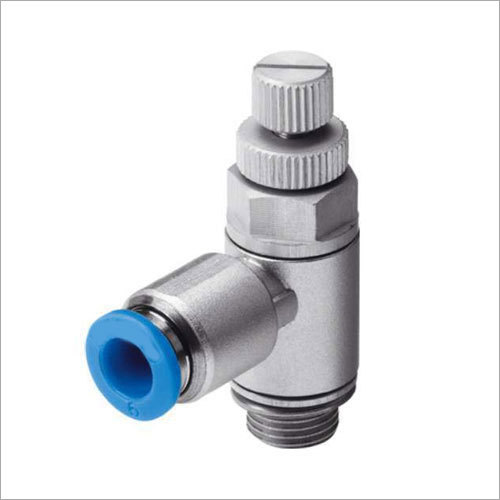
Tell us about your requirement

Price:
Quantity
Select Unit
- 50
- 100
- 200
- 250
- 500
- 1000+
Additional detail
Mobile number
Email

More Products in Industrial Valves Category
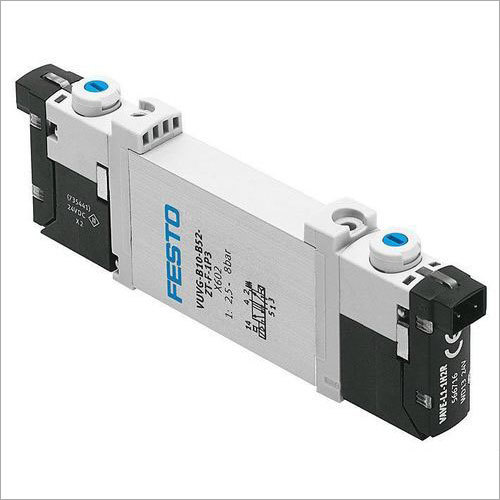
Festo Valve
Price 1800 INR / Piece
Minimum Order Quantity : 1 Piece
Power : Other , 24V DC (standard coil voltage)
Shape : Rectangular
Media : Other, Compressed Air, Inert Gases
Material : Aluminum
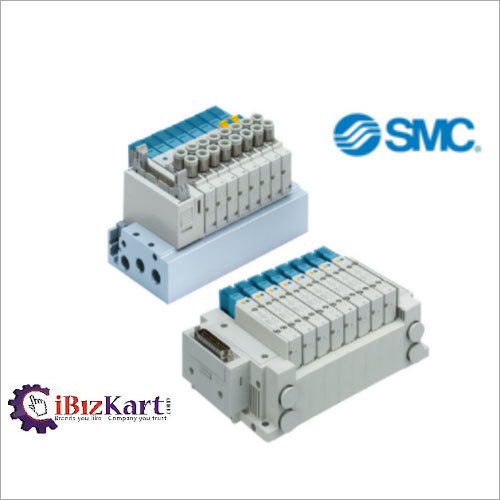
SMC Valve
Price 3900 INR
Minimum Order Quantity : 1 Piece
Power : Other , 24V DC
Shape : Rectangular
Media : Other, Air
Material : PVC

We mainly deal in Andhra Pradesh, Goa, Karnataka, Kerala, Maharashtra, Sikkim, Tamil Nadu & Telangana.
IBK ENGINEERS PVT. LTD.
GST : 29AADCI6406J1ZE
GST : 29AADCI6406J1ZE
|


B-219, 4th Cross, 1st Stage, Peenya Industrial Estate,Bengaluru - 560058, Karnataka, India
Phone :07971459901
 Send Inquiry
Phone: +91 80 23725544
Mobile :+919880566644
Mobile :+919880566644
- Bosch Rexroth Aluminum Profile
- Rexroth VFD
- Ball Lock Pins
- Conveyor Roller
- Industrial Robot
- Roller Chain
- Pneumatic Valve
- Industrial Valves
- Carr Lane Tooling Components
- Solenoid Valve
- Ball Bearing
- Assembly Table
- Industrial Clamps
- Air Tools
- Hex Bolts
- Hex Nut
- Pneumatic Cylinder
- Toggle Clamps
- Modular Work Station
- AC Inverter Drive
- Control Drive
- Single Strand Chain Link
- McMaster Shoulder Bolt
- Stainless Steel Nut and Bolts
- Gear Boxes
- Fan
- Geared Motors
- Power Tools
- Plate Mounted Caster
- Automotive Components
- McMaster Carr Product
- Fitting
- Control Valve
- Valve
- Tube
- Vacuum Generator, Unitasking
- Vacuum Generator, Multitasking Manifold
- Rotary Vacuum Pump
- External Vacuum Controller
- Vacuum Accessories
- Air Preparation
- Actuator
- HARMO Robot Parts
 Send Inquiry
 Send SMS
 Call Me Free
IBK ENGINEERS PVT. LTD.
All Rights Reserved.(Terms of Use)
Developed and Managed by Infocom Network Private Limited.
Developed and Managed by Infocom Network Private Limited.

